


Solving the problem of sedimentation in the production of liquid fertilizers requires systematic control from multiple dimensions, such as raw material processing, the production process, equipment optimization and storage management.
Pretreatment of raw materials and formulation optimization
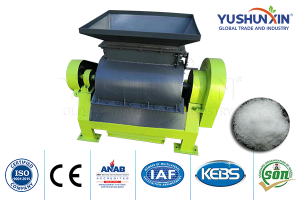
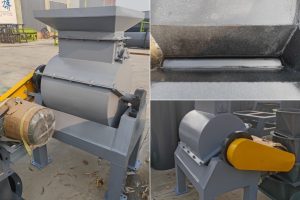
Raw materials can be ultra-finely ground using a water soluble fertilizer crushing equipment (like a urea crusher). insoluble substances (such as phosphates and sulfates) can be crushed to less than 200 nanometers.
The chelating agent is scientifically formulated and, for trace elements (Fe, Zn, Mn), a chelating system composed of EDTA is used, DTPA and citric acid. The molar ratio of EDTA to metal ions is controlled by 1,05:1 (excess of 5 %) and the degree of chelation can reach more than 98 %. The pH value of the chelation reaction is precisely controlled between 4,5 y 5,5 (±0,2) to prevent hydroxyl precipitation.
Updating production process equipment
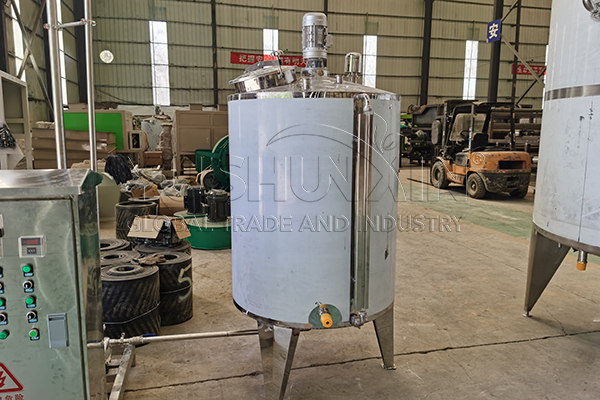
Premix stage: A dosing tank can be used at this stage.. The dosing tank has a stirring function. Low speed stirring (50-100 rpm) allows raw materials to disperse initially; This can cause the nutrients in the liquid fertilizer to mix more closely..
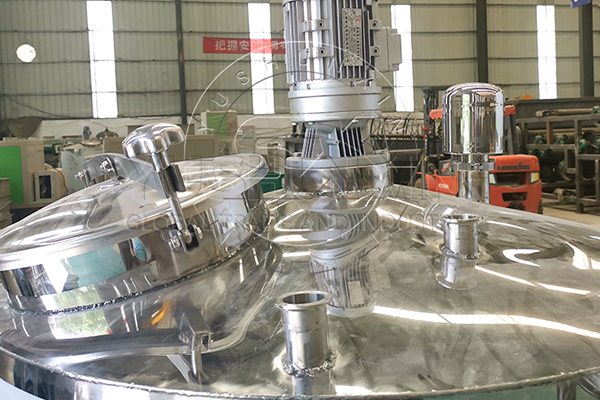
Emulsification stage: High shear emulsifier can be used YUSHUNXIN, and the particle size can reach ≤50 μm.
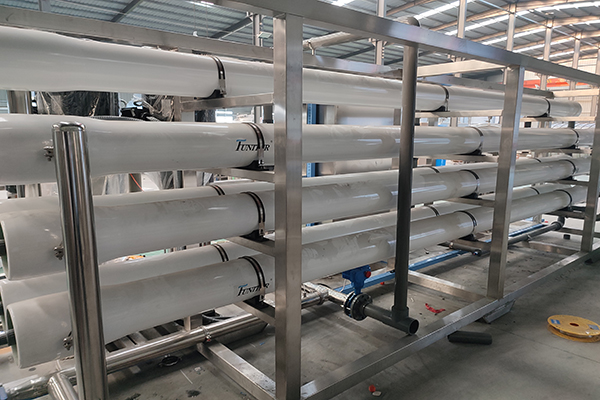
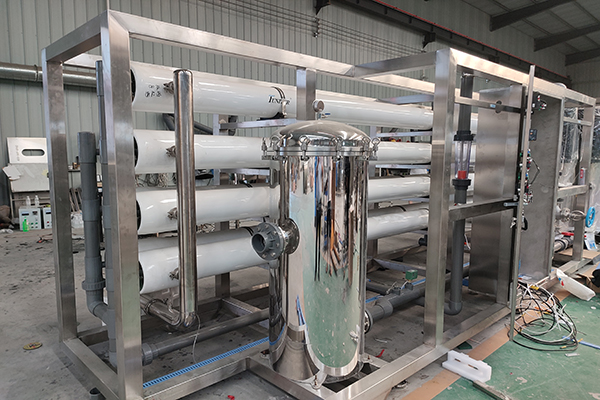
Chelation stage: A chelation tank can be used, which uses anaerobic fermentation and enzymatic hydrolysis. Anaerobic fermentation can decompose organic matter through the metabolic activity of microorganisms. Enzymatic hydrolysis is the process of decomposition of biological macromolecules by catalyzing them by specific enzymes.. Besides, The chelation tank is equipped with a temperature and pH control system. The measured reaction time was shortened by 40% and the residual amount of non-chelated ions was lower than 0,3%.
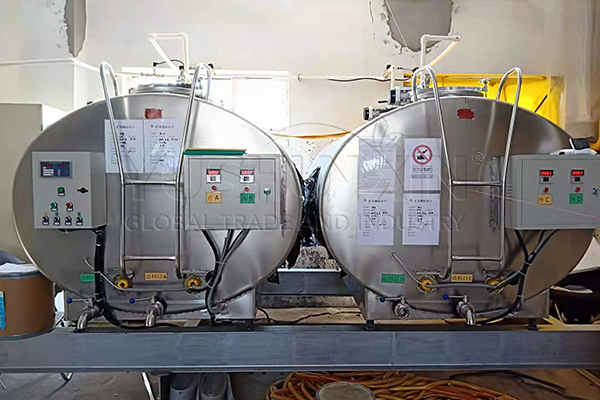
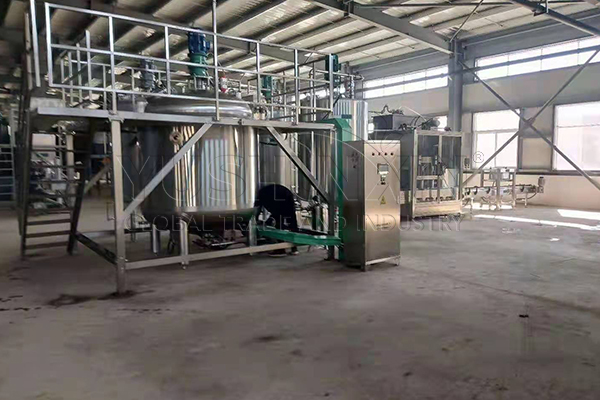
Storage stage: Use storage tanks specifically designed for liquid fertilizers. Adopts conical bottom structure: the cone angle is ≥60° and the side wall spiral agitator (15-30 rpm) can eliminate dead corners to prevent sedimentation in liquid fertilizer production.
Key process control points
Temperature management: The temperature difference during the entire liquid fertilizer production process is ≤5 ℃, The chelating reaction temperature is controlled at 50 ± 2 ℃ and the storage temperature is 10-30 ℃.
Precise control of pH value: using a pH meter with an accuracy of ±0.1, Metering pump can be connected to automatically add acid and alkaline solutions.
Viscosity control: add 0,2%-0,5% a car silicate of aluminum and magnesium to maintain the viscosity of the system at 2000-5000 cP and inhibit the sedimentation of particles in the liquid fertilizer.


 WhatsApp:+8615036116306whatsapp
 info@equipofertilizantesoluble.comE-mail
 Get quoteprice
 Back to topBack to top


